

Tell your friends about this item:
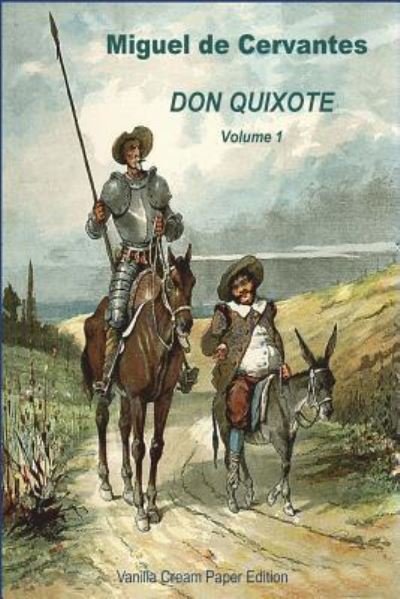
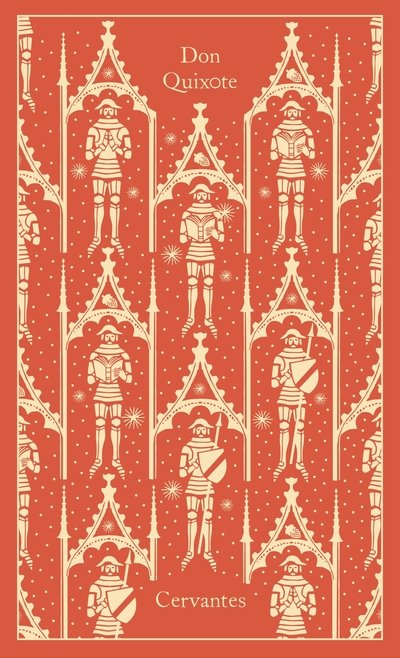
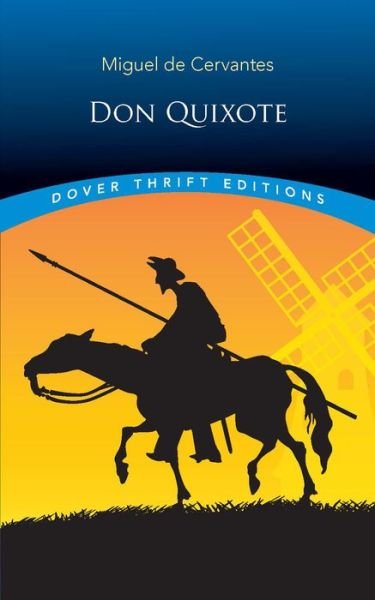
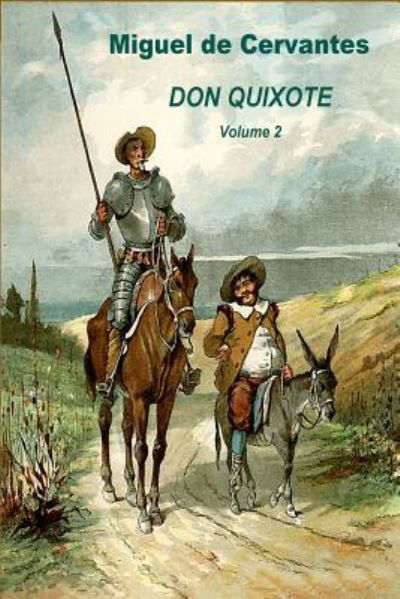
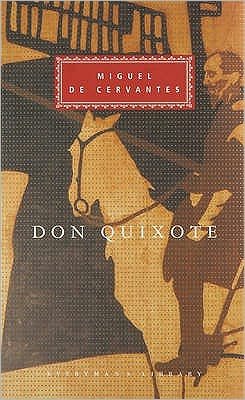
Don Quixote Miguel de Cervantes
 Christmas presents can be returned until 31 January

Our customers say:


Also available as:
- Paperback Book (2024) A$ 21.49
- Paperback Book (2005) A$ 21.49
- Paperback Book (2003) A$ 22.49
- Paperback Book (2017) A$ 23.99
- Paperback Book (2017) A$ 24.99
- Paperback Book (2017) A$ 24.99
- Paperback Book (2017) A$ 24.99
- Paperback Book (2017) A$ 26.49
-
Paperback BookUK Ed. edition(2011) A$ 26.99
- Paperback Book (2018) A$ 26.99
- Paperback Book (2014) A$ 34.49
- Paperback Book (2020) A$ 38.49
-
Paperback BookReprint edition(2012) A$ 39.49
-
Paperback BookReprint edition(2005) A$ 39.49
- Paperback Book (2020) A$ 39.99
- Paperback Book (2016) A$ 40.99
- Paperback Book (2016) A$ 47.49
- Hardcover Book (2003) A$ 49.99
- Paperback Book (2015) A$ 53.99
- Paperback Book (2012) A$ 56.49
- Paperback Book (2016) A$ 59.49
- Paperback Book (2012) A$ 62.99
- Paperback Book (2024) A$ 63.49
- Paperback Book (2011) A$ 77.49
- Hardcover Book (2020) A$ 82.99
Don Quixote
Miguel de Cervantes
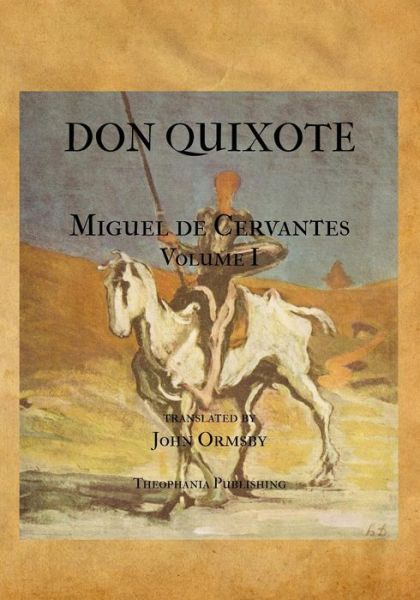
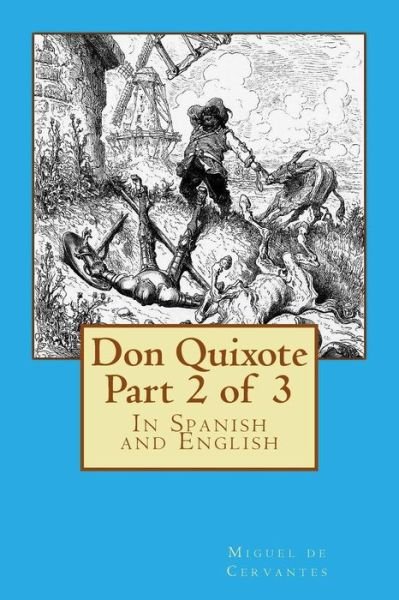
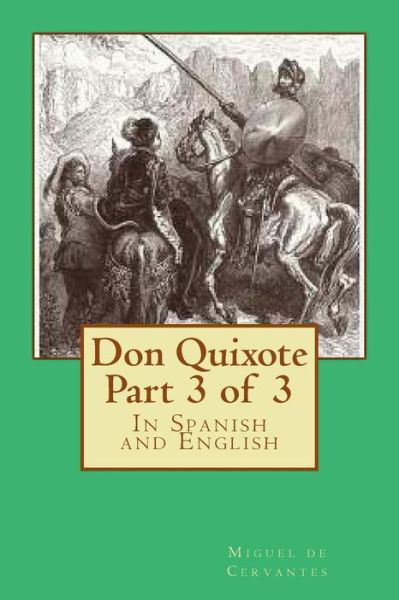
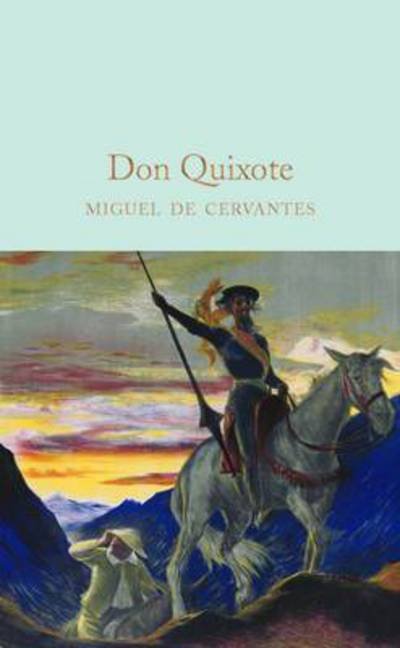
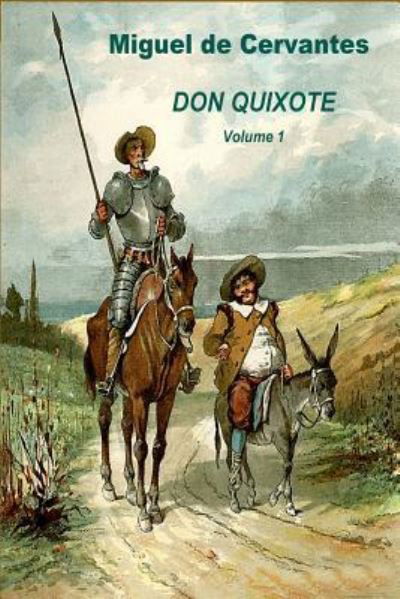
Don Quixote, also known as The Ingenious Nobleman Sir Quixote of La Mancha, is a Spanish novel by Miguel de Cervantes. Published in two parts, in 1605 and 1615, Don Quixote is the most influential work of literature from the Spanish Golden Age and the entire Spanish literary canon. As a founding work of modern Western literature, it regularly appears high on lists of the greatest works of fiction ever published. The story follows the adventures of a noble named Alonso Quixano who reads so many chivalric romances that he loses his sanity and decides to become a knight-errant, reviving chivalry and serving his country, under the name Don Quixote de la Mancha. He recruits a simple farmer, Sancho Panza, as his squire, who often employs a unique, earthy wit in dealing with Don Quixote's rhetorical orations on antiquated knighthood. Don Quixote, in the first part of the book, does not see the world for what it is and prefers to imagine that he is living out a knightly story. Throughout the novel, Cervantes uses such literary techniques as realism, metatheatre, and intertextuality. When first published, Don Quixote was usually interpreted as a comic novel. After the French Revolution, it was popular for its central ethic that individuals can be right while society is quite wrong and seen as disenchanting. In the 19th century, it was seen as a social commentary, but no one could easily tell "whose side Cervantes was on". Many critics came to view the work as a tragedy in which Don Quixote's idealism and nobility are viewed by the post-chivalric world as insane, and are defeated and rendered useless by common reality. By the 20th century, the novel had come to occupy a canonical space as one of the foundations of modern literature.
| Media | Books Paperback Book (Book with soft cover and glued back) |
| Released | January 27, 2019 |
| ISBN13 | 9781795135894 |
| Publishers | Independently Published |
| Pages | 612 |
| Dimensions | 152 × 229 × 35 mm · 884 g |
| Language | English |
More by Miguel de Cervantes
Show all




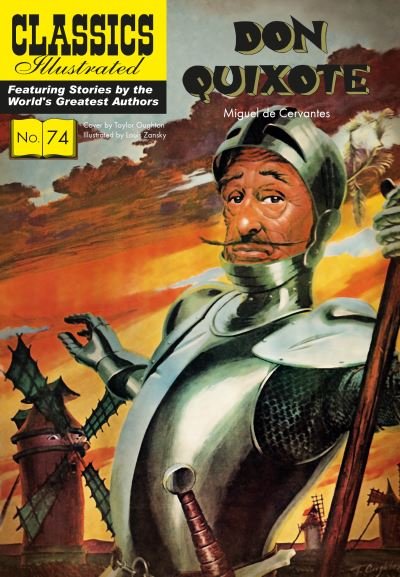



![Cover for Miguel De Cervantes · The Misadventures of Don Quixote Bilingual Edition: Las desventuras de Don Quijote, Edicion Bilingue - Linguatext Children's Classics (Hardcover Book) [Bilingual Edition: English / Spanish edition] (2021)](https://imusic.b-cdn.net/images/item/original/642/9780942566642.jpg?miguel-de-cervantes-2021-the-misadventures-of-don-quixote-bilingual-edition-las-desventuras-de-don-quijote-edicion-bilingue-linguatext-children-s-classics-hardcover-book&class=scaled&v=1623126891)

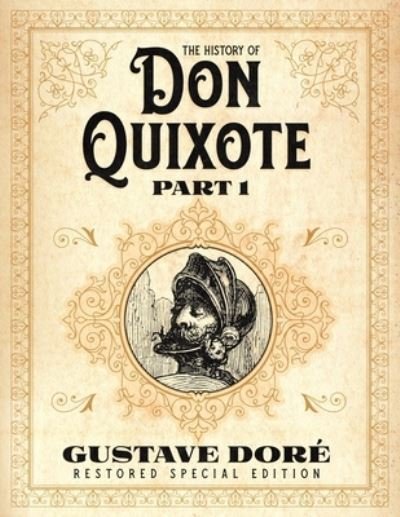



![Cover for Miguel De Cervantes · Don Quixote (Royal Collector's Edition) (Case Laminate Hardcover with Jacket) (Hardcover Book) [Royal Collector's edition] (2020)](https://imusic.b-cdn.net/images/item/original/625/9781774378625.jpg?miguel-de-cervantes-2020-don-quixote-royal-collector-s-edition-case-laminate-hardcover-with-jacket-hardcover-book&class=scaled&v=1642905834)

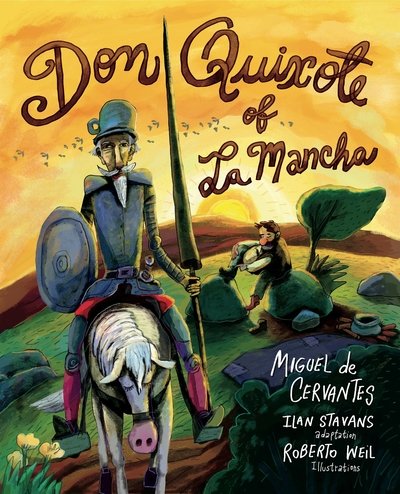
![Cover for Miguel de Cervantes · Don Quijote: A Norton Critical Edition - Norton Critical Editions (Paperback Book) [Second edition] (2020)](https://imusic.b-cdn.net/images/item/original/474/9780393617474.jpg?miguel-de-cervantes-2020-don-quijote-a-norton-critical-edition-norton-critical-editions-paperback-book&class=scaled&v=1598574062)






Others have also bought
![Cover for Sun Tzu · The Art of War - Collins Classics (Paperback Book) [Edition edition] (2011)](https://imusic.b-cdn.net/images/item/original/124/9780007420124.jpg?sun-tzu-2011-the-art-of-war-collins-classics-paperback-book&class=scaled&v=1406585748)


![Cover for Salman Rushdie · Gyldendals Paperbacks: Midnatsbørn (Book) [3rd edition] [Paperback] (2001)](https://imusic.b-cdn.net/images/item/original/720/9788700246720.jpg?salman-rushdie-2001-gyldendals-paperbacks-midnatsboern-book&class=scaled&v=1355698984)
![Cover for Helle Helle · Eksempel på liv (Bound Book) [3rd edition] (2016)](https://imusic.b-cdn.net/images/item/original/069/9788763845069.jpg?helle-helle-2016-eksempel-paa-liv-bound-book&class=scaled&v=1454965173)


![Cover for Stephen King · The Stand (Hardcover Book) [1st edition] (1990)](https://imusic.b-cdn.net/images/item/original/575/9780385199575.jpg?stephen-king-1990-the-stand-hardcover-book&class=scaled&v=1408432346)




More from this series





![Cover for Miguel de Cervantes · Don Quixote - Wordsworth Classics (Paperback Book) [Paperback] (1992)](https://imusic.b-cdn.net/images/item/original/360/9781853260360.jpg?miguel-de-cervantes-1992-don-quixote-wordsworth-classics-paperback-book&class=scaled&v=1599573591)


See all of Miguel de Cervantes ( e.g. Paperback Book , Hardcover Book , Book , CD and Sewn Spine Book )